Moodee Studio is a multidisciplinary creative agency specializing in brand strategy, brand identity, and website design for founders ready to elevate how their business is perceived online.
Brand & Web Design done in house.
Wondering why your website isn’t converting? Learn why service provider websites often fail to get inquiries and what to fix before redesigning.
Web Design
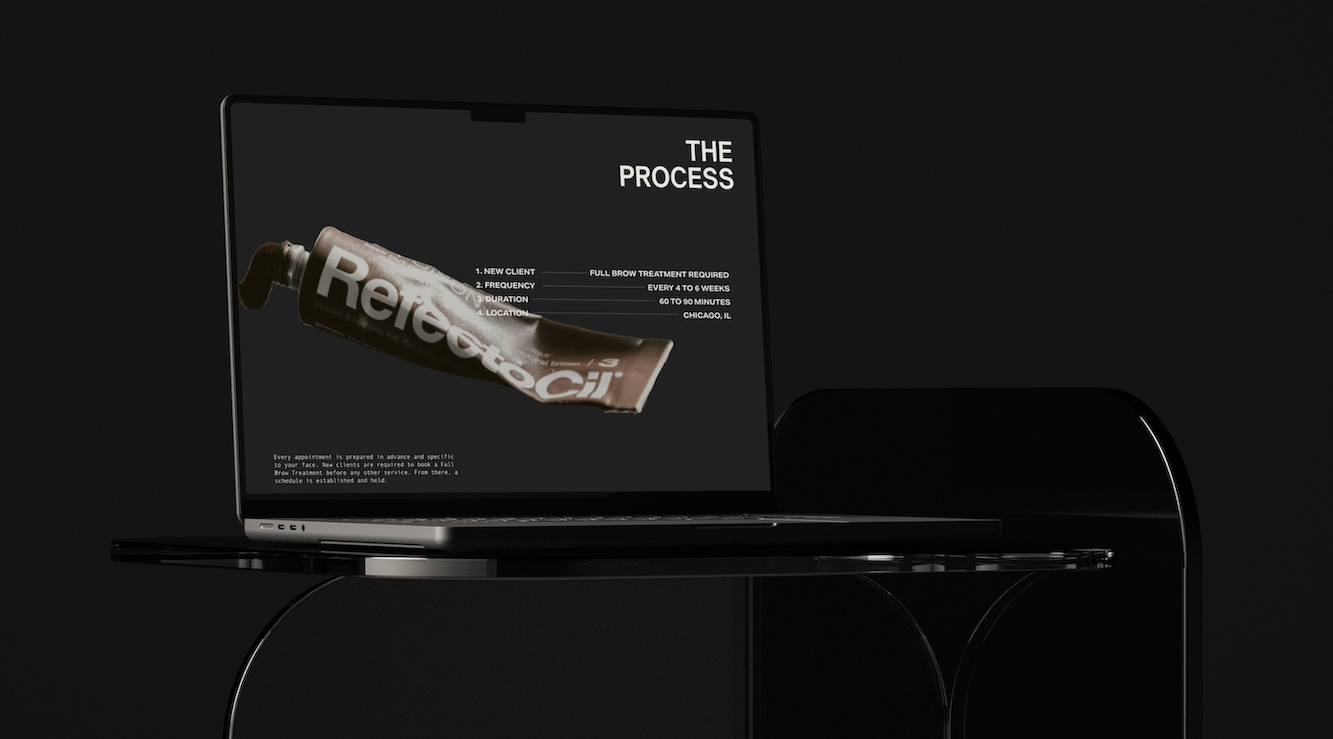
Your website shouldn’t just sit there looking expensive. It should be doing some of the selling for you.
I know that sounds obvious, but a lot of service provider websites are basically expensive digital brochures. They look nice, they have the right pages, they say “work with me” somewhere near the bottom, and then everyone wonders why nobody is inquiring.
If you’ve been wondering why your website isn’t converting, the problem usually isn’t that it needs more animation, a trendier layout, or another round of “make it pop” revisions. The problem is usually deeper than that.
Most websites don’t fail because they’re ugly. They fail because they don’t have a clear job.
A website that sells needs to do more than show people what you offer. It needs to help the right person understand why your offer matters, why your process is different, and why reaching out actually makes sense for them right now.
That’s where website strategy matters.
Because a custom website can look incredible and still do absolutely nothing for your business if the strategy underneath it is weak.
A lot of service providers treat their website like a portfolio. They want to show the work, explain the services, add a few testimonials, and send people to an inquiry form.
That’s not wrong, but it’s not enough.
If you want your website to convert, every page needs to help someone make a decision. Your homepage, services page, about page, portfolio, and contact page should all work together to build trust, clarify the offer, and make the next step feel obvious.
Before you redesign your website, you need to know what someone needs to understand before they’re ready to inquire. What do they need to believe about your work? What questions are they already asking in their head? What doubts might stop them from reaching out? What makes your business different from the other options they’re considering?
If your website doesn’t answer those questions, people have to fill in the blanks themselves. And most people won’t. They’ll just leave and keep looking.
This is the part nobody wants to say out loud. A beautiful website can still be confusing.
A website can have the perfect color palette, custom graphics, strong photography, smooth animations, and still fail to turn visitors into inquiries. Design matters, obviously. People make quick judgments about your business based on how it looks. Visuals influence whether your brand feels credible, professional, elevated, and worth exploring.
But design alone doesn’t create clarity.
The visuals might get someone’s attention, but the strategy is what helps them understand what you do, why it matters, and whether they trust you enough to take the next step.
Sometimes the issue isn’t the design. It’s the messaging. Sometimes it’s the structure. Sometimes the offer isn’t clear enough. Sometimes the website is trying to speak to too many people at once, so it ends up saying nothing strong enough to matter.
That’s why “I just need a prettier website” is usually not the full diagnosis. You might need a better-looking website, yes. But you probably also need sharper website strategy.
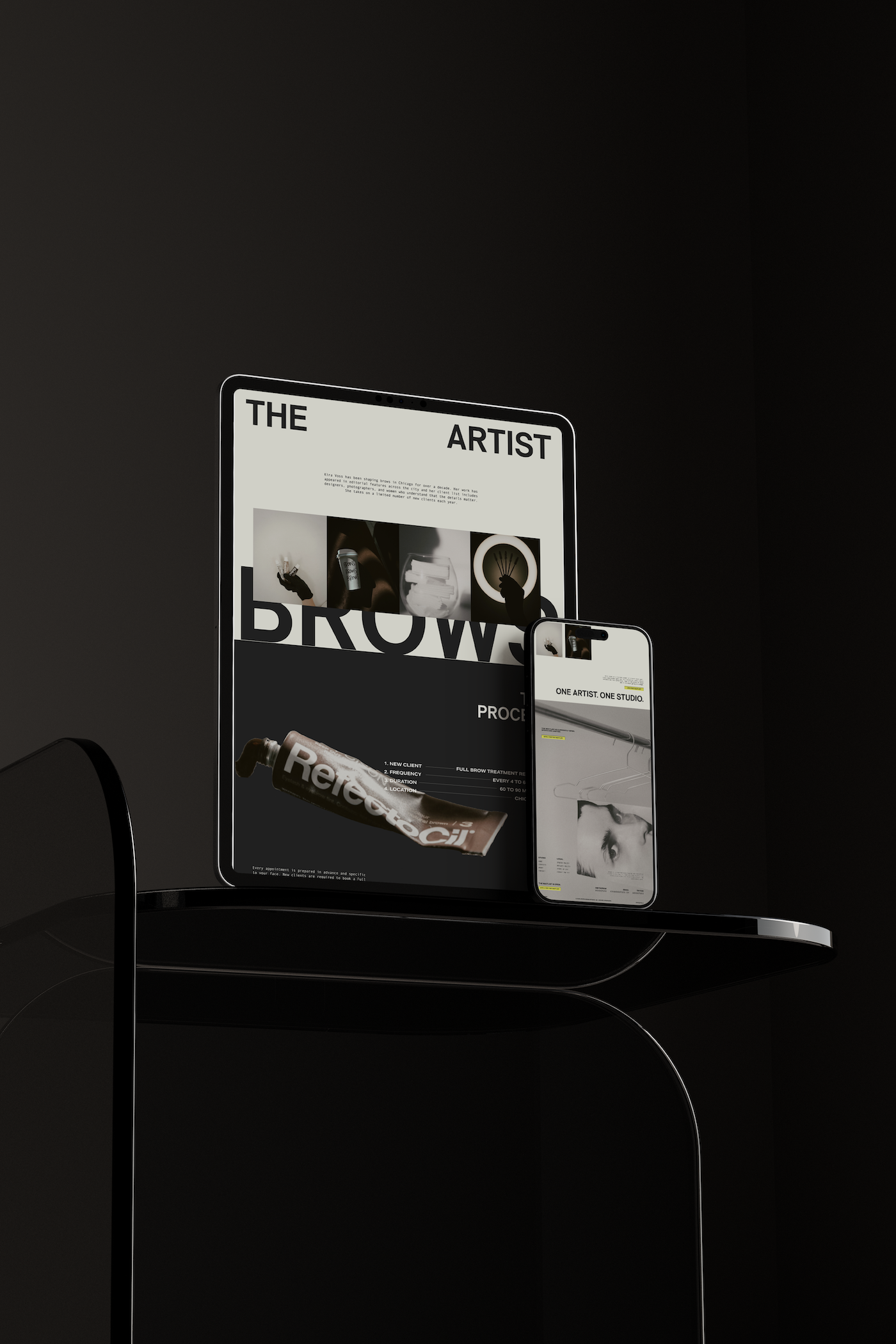
Your homepage is not supposed to carry every thought you have ever had about your business. It’s supposed to help someone land, understand what’s happening, and know where to go next.
The first few seconds matter. A visitor should be able to understand what you offer, who it’s for, and why it’s worth paying attention to without having to scroll for clues like they’re solving a murder.
This is where a lot of service provider websites lose people. The headline sounds nice, but it doesn’t actually say anything. The design feels polished, but the offer is vague. The call-to-action exists, but it doesn’t feel connected to what the visitor needs yet.
A strong homepage should create momentum. It should make someone want to keep reading, click into your services, look through your work, or inquire because the site has already started doing the work of building trust.
People don’t inquire just because your website looks good. They inquire when enough doubt has been removed.
That is the real job of conversion-focused website design.
Your website should help someone feel more certain as they move through it. They should understand what you do, recognize that you understand their problem, see proof that you can help, and feel clear on what happens next.
Most potential clients are quietly asking themselves questions while they browse. Is this for me? Do I trust this person? Do they understand what I need? Is this worth the investment? What happens if I inquire? Will this process be confusing? Are they actually different from the other people I’ve looked at?
If your website skips those questions and jumps straight to “book now,” it can feel too early. People need context before they take action.
A strategic website gives them that context without making them work too hard for it.
If your website is getting traffic but not inquiries, there’s usually friction somewhere.
Maybe the offer is buried. Maybe the call-to-action is vague. Maybe the services page explains what’s included but not why it matters. Maybe the portfolio looks good, but the site doesn’t explain how your work actually helps people.
This is why website user experience matters. A visitor should never have to wonder where to click, what to read next, or how to work with you.
A good service provider website guides people. It gives them enough information to feel confident, enough proof to trust you, and a clear next step when they’re ready.
If your website makes people work too hard, they won’t always blame the website. They’ll just leave.
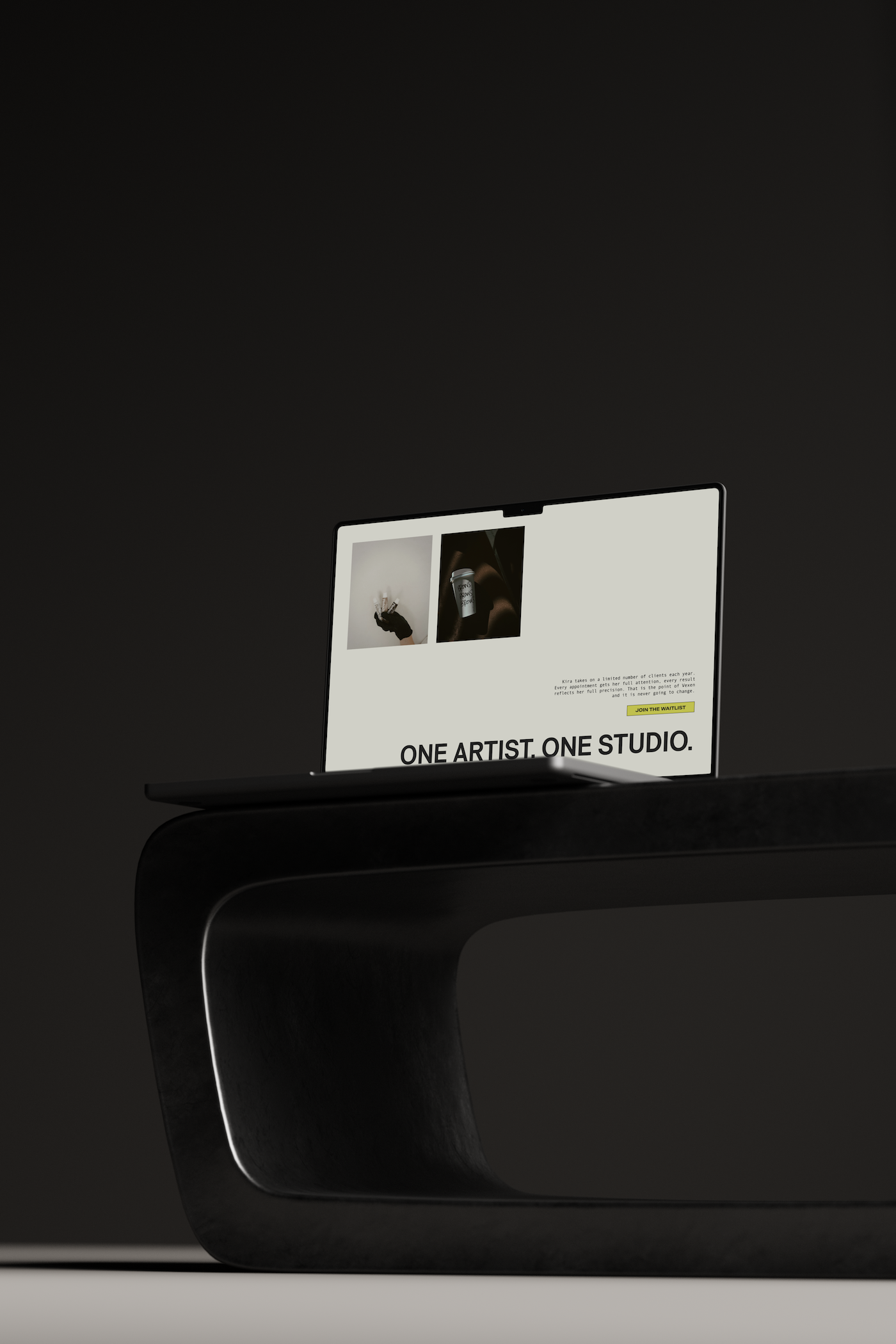
Before you start redesigning everything, look at the strategy.
Is your offer clear within the first few seconds? Does your website explain why your work matters? Can someone quickly understand who you help and what you do? Are your calls-to-action clear? Does the site answer the questions people usually ask before booking? Does your brand feel cohesive from your website to your inquiry process?
If the answer is no, the solution probably isn’t just a prettier website. It’s a website with a stronger foundation.
That means clearer positioning, better messaging, smarter structure, stronger proof, and a user experience that actually guides people instead of making them wander around hoping they figure it out.
Your website is not just a design asset. It’s part of your sales system.
It should position your business, communicate your value, build trust, and help the right people take action. That’s the difference between a website that looks good and a website that actually supports the business.
At Moodee Studio, we build strategic brands and custom websites for businesses that are done looking like everyone else. Through brand strategy, creative direction, visual identity, website strategy, custom website design, and development, we create digital experiences that are clear, intentional, and built to support where your business is going next.
If your website looks good but still isn’t helping people understand, trust, or inquire, it’s time to fix the strategy underneath it.
Ready for a website that actually knows how to do its job?
Inquire through here.