Moodee Studio is a multidisciplinary creative agency specializing in brand strategy, brand identity, and website design for founders ready to elevate how their business is perceived online.
Brand & Web Design done in house.
A logo is not the same thing as a brand system. Learn why service providers need brand strategy, visual identity, messaging, and consistency to build a brand people recognize and trust.
Branding
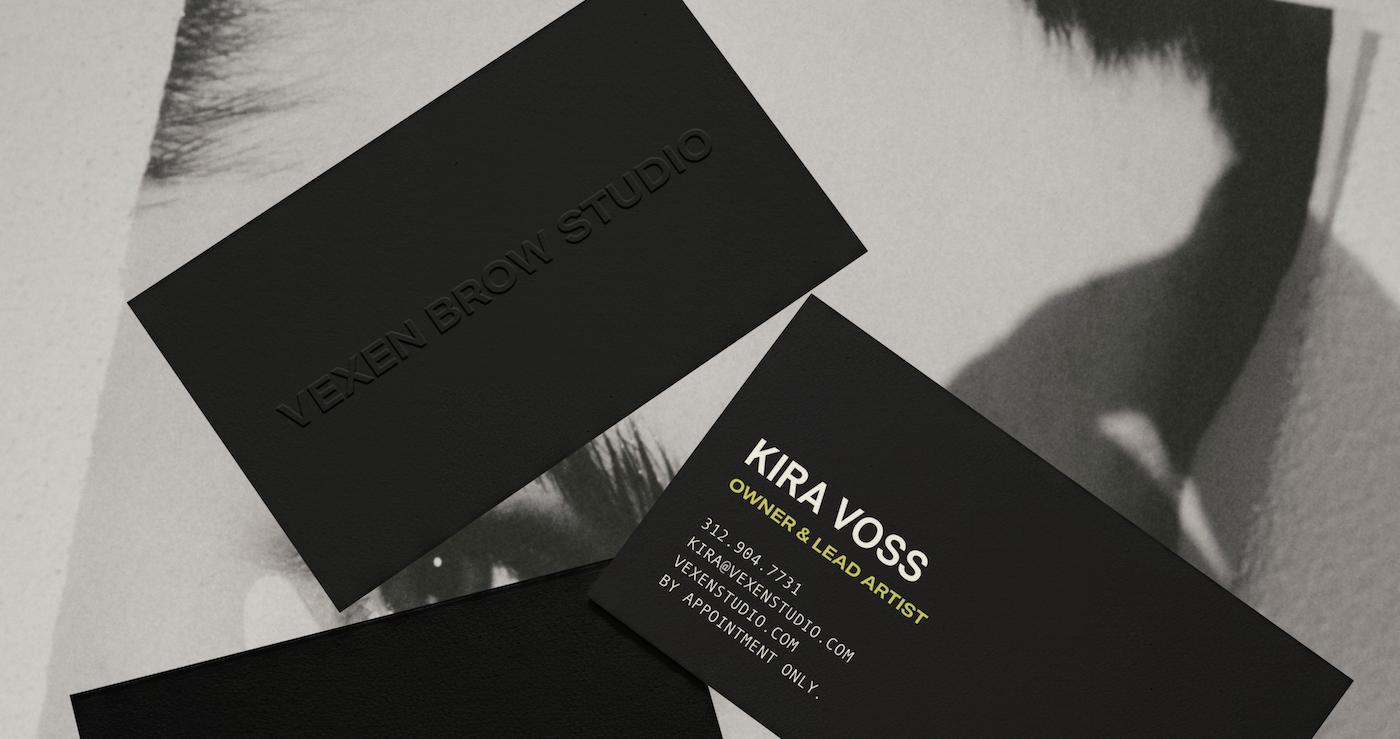
A logo can make your business recognizable, but it can’t carry the whole brand by itself.
This is where a lot of businesses get stuck. They invest in a logo, maybe a color palette, maybe a few nice graphics, and then wonder why the brand still feels scattered everywhere else.
The problem usually isn’t that the logo is bad. The problem is that the logo is being asked to do a job it was never built to do.
A logo is one piece of your visual identity. A brand system is the strategy, messaging, visuals, and direction that make the entire business feel clear, recognizable, and consistent everywhere it shows up.
That difference matters.
Especially if you’re a service provider, creative business, or growing brand that needs people to understand what you do, trust your work, and remember you after they leave your website or Instagram.
Let’s get this out of the way because this one refuses to die.
Your logo is not your brand.
Your logo is a visual marker. It helps people recognize you, but it does not explain your positioning, communicate your value, shape your client experience, or make your business feel established on its own.
A beautiful logo can still live inside a confusing brand. A strong mark can still sit on a website that doesn’t convert. A pretty visual identity can still feel disconnected if there’s no strategy guiding how everything works together.
This is why “I just need a logo” usually turns into a bigger problem later.
Because once you have the logo, you still need to know how the brand should look, sound, feel, communicate, and show up across your website, content, proposals, launch assets, client experience, and every other place people interact with your business.
That’s where a brand system comes in.
A brand system is what keeps your business from feeling like a collection of random design decisions.
It gives the brand direction.
That includes your brand strategy, positioning, messaging, visual identity, typography, color palette, creative direction, photography style, website direction, and overall customer experience.
The goal is not just to make everything match. Matching is cute, but strategy is better.
The goal is to make the business feel intentional.
When someone lands on your website, scrolls your Instagram, opens your newsletter, views your portfolio, or receives your proposal, the brand should feel like it came from the same brain. The tone, visuals, message, and experience should all reinforce the same idea.
That’s what makes a brand easier to recognize, trust, and remember.
Without brand strategy, visuals are mostly taste.
And taste is not enough to build a brand that can actually compete.
Brand strategy defines what the brand needs to communicate before design ever starts. It looks at who the brand is for, what the audience needs to understand, what makes the business different, what perception the brand needs to create, and how the entire experience should feel.
That strategy shapes the visual identity.
It informs whether the brand should feel bold, refined, rebellious, warm, editorial, minimal, high-energy, quiet luxury, or something else entirely. It also helps make sure the design is not just attractive, but actually aligned with the business and the people it wants to attract.
This is the difference between branding that looks good and branding that has a reason behind it.
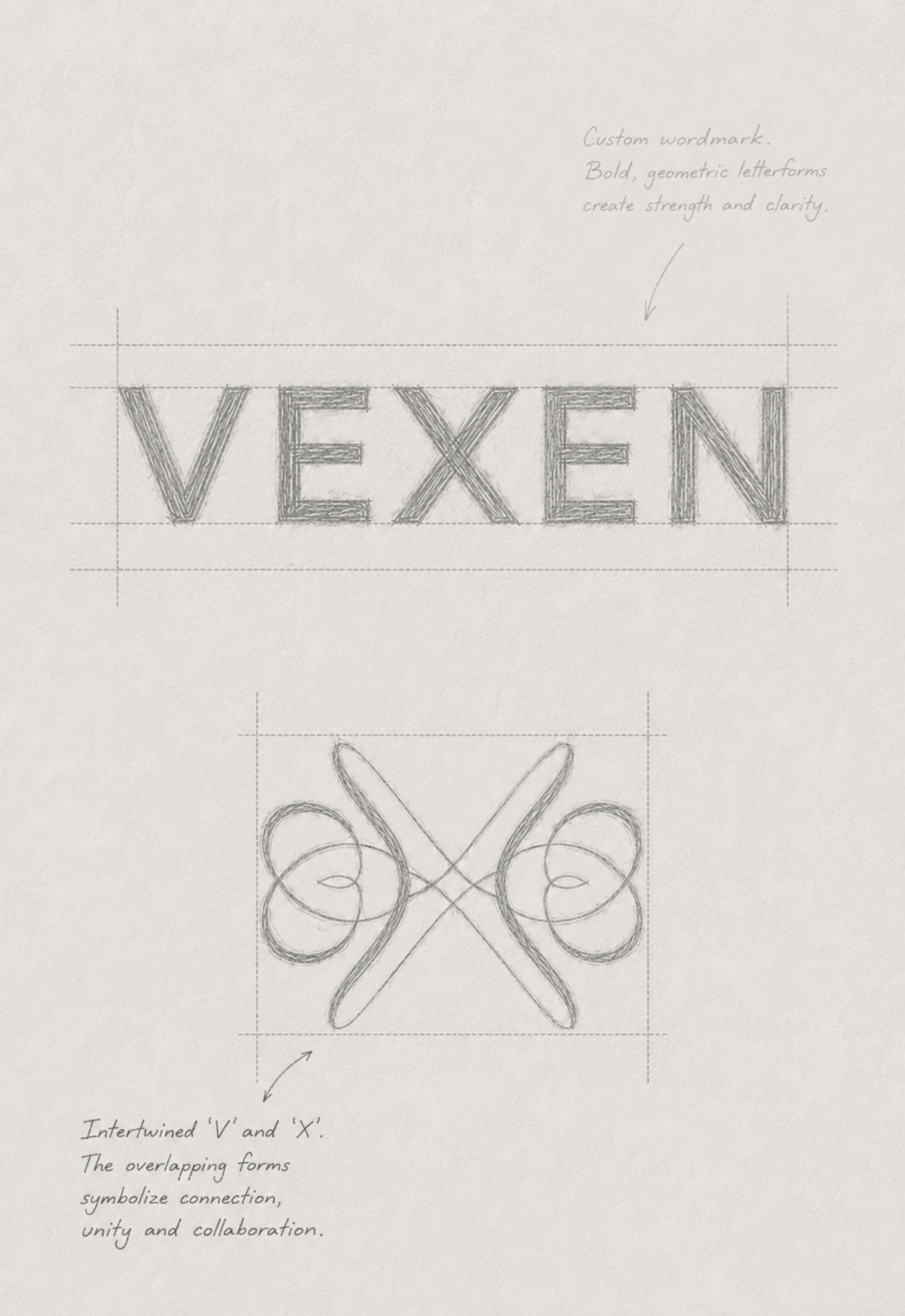
Your visual identity includes all the design elements that shape how your brand is recognized.
That usually includes your logo suite, color palette, typography, layout direction, graphic elements, image style, iconography, patterns, textures, and guidelines for how everything should be used.
This matters because your brand has to exist in more places than one logo file.
It has to show up on your website, social content, sales pages, email graphics, proposals, packaging, presentations, client documents, launch assets, and maybe even product photography or brand campaigns.
If the only thing you have is a logo, you’re forced to invent the rest of the brand every time you need to create something.
That’s how brands start looking inconsistent.
One day it’s minimal. The next day it’s chaotic. One launch feels polished. The next one feels rushed. The website says one thing, the Instagram says another, and suddenly the brand is giving “I’m figuring it out as I go.”
A brand system prevents that.
Some people hear “brand consistency” and think it means everything has to look stiff, repetitive, or painfully over-controlled.
No.
Consistency means the brand has recognizable rules. It means people can experience your business in different places and still know it’s you.
That does not make the brand boring. It makes the brand stronger.
A good brand system gives you enough structure to be recognizable and enough flexibility to stay interesting. You should be able to create different types of content, launch different offers, build new pages, and evolve the brand without losing the core identity.
That’s the sweet spot.
Recognizable, but not rigid. Flexible, but not random.
This is where branding and web design start to overlap.
A website built on top of a weak brand system will almost always feel harder to make work. The designer has to solve strategy, messaging, creative direction, visual hierarchy, and user experience all at once because the brand foundation is not doing enough of the heavy lifting.
That’s why a logo alone is not enough for a custom website.
Your website needs the full brand system behind it: positioning, messaging direction, visual identity, creative direction, content structure, and a clear understanding of what the visitor needs to believe before they inquire.
Otherwise, you end up with a website that may look polished, but still feels thin, vague, or disconnected.
And nobody wants to pay for a custom website that still feels like it’s guessing.
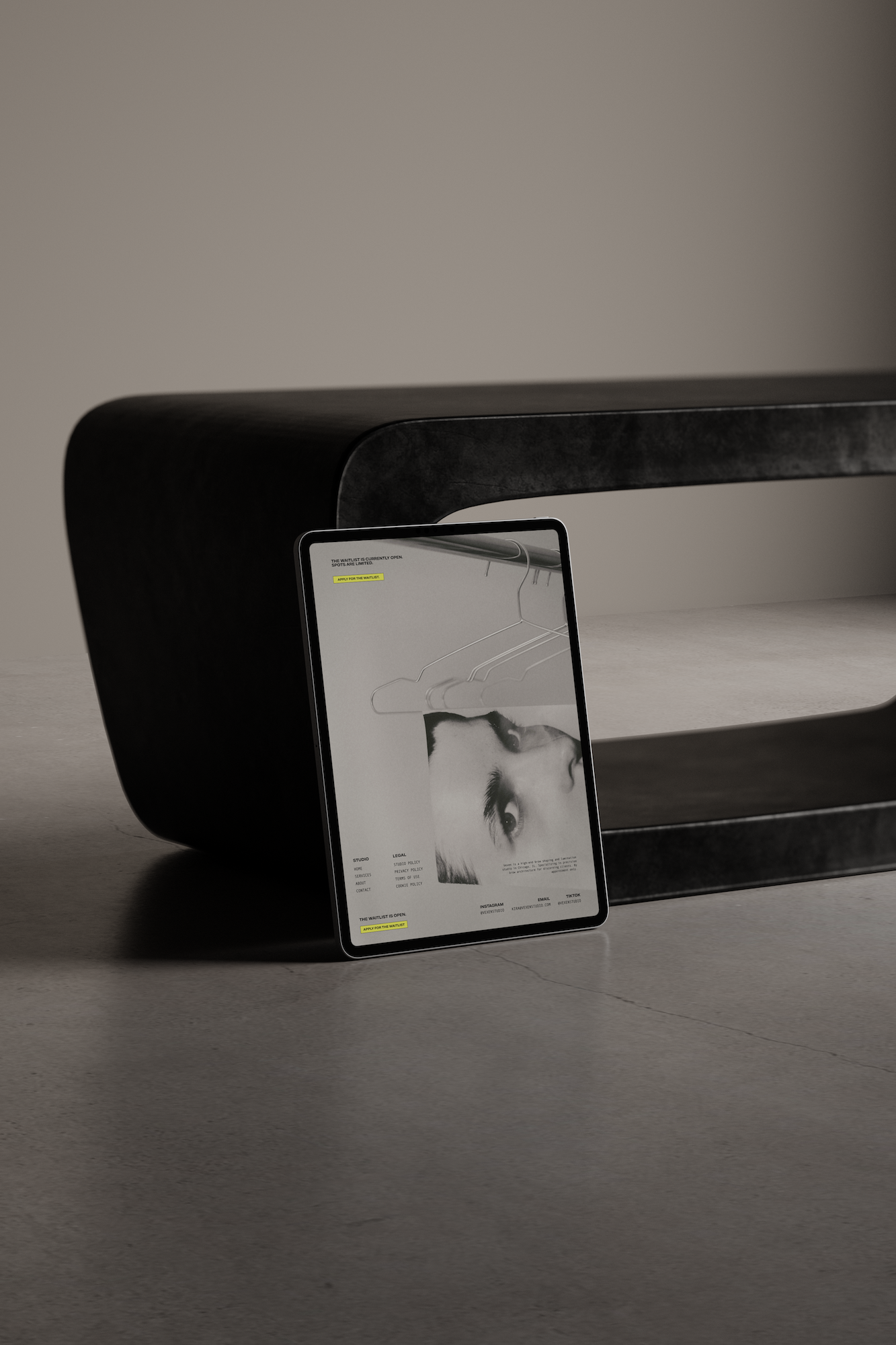
Not every business needs to rebuild the whole brand from scratch.
Sometimes the foundation is still strong, but a few pieces need to be cleaned up. Maybe the logo needs a retouch. Maybe the typography feels off. Maybe the visual direction needs tightening so everything feels more polished, cohesive, and current.
That is where a Design Intensive can make more sense than a full branding project.
A Design Intensive is best for smaller-scope updates like a logo refresh, brand collateral, sales page graphics, website sections, launch assets, or cleaning up visual details that are making the brand feel less intentional than it actually is.
If your brand needs a full strategy, identity, and system, branding is the better fit.
If your brand already has direction but needs sharper execution, a Design Intensive may be enough.
You probably need a stronger brand system if your visuals feel inconsistent across your website, Instagram, proposals, and content. You may also need one if your business has grown, but your brand still feels like the earlier version of you.
Other signs are harder to ignore.
You’re constantly redesigning things because nothing feels quite right. Your website doesn’t reflect the quality of your work. Your brand looks fine in pieces, but not cohesive as a whole. You’re attracting people who don’t understand your value. You feel like you have to overexplain why your business is worth taking seriously.
That’s usually not just a logo problem.
That’s a brand system problem.
A logo can help people recognize your business, but a brand system helps people understand it.
That’s the bigger move.
Because your brand is not just what people see. It’s what they understand, feel, remember, and trust after interacting with you.
At Moodee Studio, we create strategic brand identities and custom websites for businesses that are done looking like everyone else. Our branding work includes brand strategy, creative direction, visual identity, brand guidelines, and the larger system your business needs to show up clearly and consistently across every touchpoint.
If your brand feels scattered, outdated, or hard to translate across your website and content, it might be time to stop patching the visuals and build the system underneath them.
And if your brand does not need a full rebrand, but it does need a sharper logo, cleaner collateral, or a more polished visual presence, a Design Intensive may be the right move.
Inquire through here.